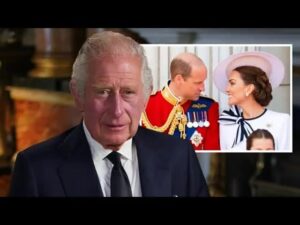
In a move that has sent shockwaves through royal circles, King Charles III’s Christmas Day speech has ignited speculation regarding his relationship with Kate Middleton.
Typically, this annual address serves as a moment for reflection, where the monarch shares insights on the past year and connects with the nation.
However, this year’s speech seemed to hint at an unexpected rift, particularly through the conspicuous absence of any mention of the Duchess of Cambridge.
Kate Middleton has long been a beloved figure within the royal family, known for her grace and commitment to various charitable initiatives.
Her omission from the King’s address was particularly striking, especially given her efforts to modernize the monarchy’s image.
As Charles highlighted the achievements of other family members, the lack of acknowledgment for Kate did not go unnoticed, prompting a wave of questions from the public and royal observers alike.
Was this oversight intentional or merely an accident?
The media and public have quickly jumped into analysis mode, dissecting every word Charles spoke, searching for hidden meanings.
This perceived slight has raised eyebrows and fueled a narrative suggesting potential tensions between the King and his daughter-in-law.
After all, the royal family is often seen as a symbol of unity, yet internal conflicts can lurk beneath the surface.
The dynamics within the House of Windsor have always been complex, influenced by personal relationships and the ever-watchful eye of the media.
With this latest development, scrutiny of the relationship between King Charles and Kate Middleton has intensified.
Are there deeper issues at play, or is it simply a case of miscommunication?
As the royal family navigates the delicate balance between tradition and modern expectations, the nuances of Charles’ speech have become a focal point for discussion.
The monarchy, steeped in history, must also adapt to the changing times, and this year’s address has opened a new chapter in the ongoing saga of the British royal family.
In what many perceived as a strategic choice, King Charles appeared to focus primarily on his relationship with Camilla, the Duchess of Cornwall.
By emphasizing Camilla’s role, he may have been attempting to solidify her status within the royal hierarchy, ensuring she is recognized as a central figure in the monarchy’s future.
This decision, however, has led to speculation about the implications for Kate Middleton’s standing within the family.
The public eagerly awaits clarification from the Palace concerning Charles’s familial priorities and how this might affect the succession planning for the House of Windsor.
The apparent snub towards Kate has sparked numerous discussions regarding potential rivalries and shifting dynamics within the royal family.
This situation highlights the intricate politics at play within the monarchy.
As King Charles prepares to take on a more prominent role, every action he takes is scrutinized for its potential impact on the future of the institution.
His desire to assert authority and control over the royal narrative is evident, especially in light of the rising popularity of the younger generation, including Kate and Prince William.
The omission of Kate’s name from the address could be interpreted as a calculated move to reinforce Charles’s position at the helm of the monarchy.
It raises questions about whether this is part of a broader strategy to delineate roles and responsibilities within the royal family as the older generation prepares to pass the baton.
The media frenzy surrounding Charles’s speech has transformed what should have been a moment of unity into a topic of division.
Analysts and royal commentators have taken to various platforms, sharing their theories on whether this was a deliberate snub or an unfortunate oversight.
The public’s fascination with royal affairs continues to grow, with each new development being closely monitored.
As the royal family grapples with this controversy, the challenge lies in maintaining a united front while addressing the underlying tensions.
The pressure is on to navigate this public relations crisis without compromising the dignity and integrity that the monarchy strives to uphold.
The implications of this incident may extend beyond mere public perception, potentially reshaping the internal dynamics of the royal family.
How they respond to this controversy could influence their image and relationships moving forward.
The world watches with bated breath, eager to see how this royal drama unfolds and what it might mean for the future of the British monarchy.