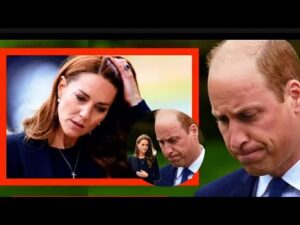
In a recent royal event that has captured the attention of the public and media alike, Kate Middleton, the Duchess of Cambridge, made a noteworthy solo entrance at a festive carol concert.
This unexpected appearance has raised eyebrows and ignited discussions regarding her role within the royal family.
Why did she attend alone, without Prince William or any other family members by her side?
The absence of her usual companions has led to a flurry of speculation online, with royal enthusiasts dissecting every detail.
Some observers are interpreting this solo outing as a potential shift in Kate’s position within the monarchy.
Could it be that she is attempting to carve out a more independent identity, separate from her husband and the royal family’s traditional expectations?
This notion has sparked debates among fans and critics alike, who are eager to understand her motivations.
Is she genuinely seeking autonomy, or is there something more strategic at play?
On the flip side, many voices suggest that this solo appearance might have been a calculated public relations move.
After all, Kate is no stranger to the limelight and knows how to leverage such moments for maximum impact.
Was her presence at the concert a genuine expression of holiday cheer, or was it a carefully staged effort to maintain her relevance in the public eye?
The timing of her solo appearance, coupled with the media frenzy that followed, raises questions about the authenticity of her intentions.
Moreover, the backdrop of ongoing rumors concerning tensions within the royal family adds another layer of complexity to this situation.
As whispers of discord circulate, some are questioning whether Kate’s decision to attend the event alone was a subtle nod to these underlying issues.
Could it be that her solo act is a reflection of a deeper rift within the royal household?
The juxtaposition of her public persona against these rumors creates an intriguing narrative that keeps the public engaged.
Following her solo concert appearance, social media has erupted with mixed reactions, much of it critical.
Many users have expressed their discontent, suggesting that Kate’s actions indicate a desire to cling to her royal status rather than a true commitment to her duties.
Comments like “William is tired of Kate Middleton” have become commonplace, hinting at a divided public perception and raising concerns about the dynamics within the royal family.
The scrutiny surrounding Kate is not just a passing trend; it reflects a broader shift in public sentiment.
As her solo appearances increase, so too does the criticism, painting a picture of a Duchess who is struggling to maintain her place in the royal hierarchy.
With the public’s gaze intensifying, one must wonder what the implications are for Kate’s future within the family.
Turning our focus to the royal family itself, the once-stalwart image of unity and decorum seems to be cracking.
Speculation suggests that Prince William may be growing increasingly weary of Kate’s efforts to bolster her public image.
Reports indicate that he finds her relentless quest for relevance exhausting, raising the question: Are these rumors grounded in reality, or merely the product of royal gossip?
While it’s essential to approach these claims with skepticism, the persistence of such whispers cannot be overlooked.
The royal family has long maintained a façade of harmony, yet Kate’s recent actions could be interpreted as a deviation from this unspoken rule.
If her solo appearances continue, they may unintentionally exacerbate any existing tensions between her and William.
At the heart of this situation lies a troubling hypocrisy.
On one hand, Kate presents herself as the quintessential dutiful duchess, fully committed to her royal responsibilities.
Yet, her solo attendance at events like the carol concert suggests a different narrative—a desire to assert her presence rather than embody the spirit of service that the royal family is known for.
This disconnect raises important questions about her true motivations.
The royal family is built on principles of duty, service, and commitment.
When actions don’t align with these values, it becomes increasingly difficult to reconcile the image with reality.
While it’s easy to make a public appearance, the challenge lies in ensuring that such actions reflect genuine dedication.
The gap between Kate’s public persona and her private reality may be where the real hypocrisy resides.
As we reflect on Kate Middleton’s recent solo appearance, it becomes clear that this event is emblematic of larger issues at play.
Her solitary arrival at the carol concert has been interpreted as both a bid for independence and a desperate attempt to remain relevant.
The public reaction has been mixed, with many questioning her sincerity and commitment to her royal duties.
In the end, the complexities of Kate’s situation highlight the challenges faced by modern royals navigating public expectations and personal identities.
The discourse surrounding her actions serves as a reminder of the delicate balance that exists within the royal family, where appearances can often mask deeper issues.
As the story unfolds, only time will tell how these dynamics will evolve and what they mean for the Duchess of Cambridge.