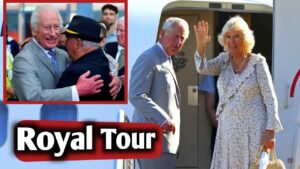
King Charles III’s recent journey to Australia was anything but a walk in the park.
What was intended to be a diplomatic mission aimed at strengthening the bonds between the British monarchy and its Commonwealth counterpart quickly turned into a whirlwind of controversies and heated discussions.
From passionate anti-colonial protests to unexpected political snubs, this royal visit has certainly stirred the pot.
One of the most eye-catching moments occurred during a session at the Australian Parliament.
An Indigenous senator took the opportunity to voice her concerns, interrupting the proceedings to accuse the monarchy of perpetrating historical injustices, including acts of genocide against Indigenous Australians.
This bold act of protest has reignited long-standing debates about Australia’s colonial history and the relevance of the monarchy in today’s society.
The atmosphere grew even more tense as King Charles faced a not-so-warm welcome from several state premiers.
Their cool demeanor sparked speculation about the diminishing support for the monarchy among Australian leaders.
In some regions, the crowds were noticeably thin, a stark contrast to the usual excitement that accompanies royal visits.
Critics have pointed to these developments as evidence of a rising republican sentiment in Australia, where discussions about breaking away from the monarchy are becoming increasingly prevalent.
Despite the hurdles, King Charles made efforts to steer the narrative toward positivity.
He focused on themes such as unity, environmental stewardship, and collaborative efforts in his speeches.